Complete guide to natural remedies for dog allergies and itchy skin
Discover effective natural remedies for dog allergies and itchy skin to soothe your pet. Learn about oatmeal baths, coconut oil, and expert pet care tips today!
.webp)
Watching a beloved companion suffer from persistent scratching is a distressing experience for any pet parent. If your dog is constantly licking their paws, rubbing their face against the carpet, or biting at their tail, they are likely dealing with underlying irritation. Understanding the application of natural remedies for dog allergies and itchy skin can provide the immediate relief your pup needs while you investigate the root cause. This comprehensive guide explores holistic approaches to restore your pet's comfort and skin integrity in 2026.
- Identify triggers like pollen, fleas, or food sensitivities early.
- Use colloidal oatmeal baths to reduce inflammation immediately.
- Apply organic coconut oil to moisturize dry, flaky patches.
- Incorporate Omega-3 fatty acids to strengthen the skin barrier long-term.

Identifying why dogs develop itchy skin and allergies
Before applying any treatment, it is vital to determine why the irritation started. Dogs frequently react to environmental allergens such as pollen, grass, and dust mites, which often lead to seasonal flares. Additionally, flea saliva can cause intense allergic dermatitis even from a single bite. In some cases, low humidity during winter months leads to severely dry skin, causing the pet to chew at their belly and paws incessantly. Identifying these sources allows for a more targeted approach to healing.
Beyond external factors, secondary issues like yeast or bacterial infections often take hold when the skin barrier is broken by scratching. This is a common concern in Hopewell Junction, NY, where seasonal changes fluctuate significantly. By addressing the inflammation early, you prevent these complications from becoming chronic health burdens for your dog.
Primary signs your dog is suffering from skin allergies
Recognizing the early warning signs of allergic reactions can prevent the development of painful hot spots. Common symptoms include excessive scratching, red or inflamed skin, and hair loss around the neck or tail. If your dog licks their paws constantly or shakes their head frequently, they may be experiencing irritation in their ears as well as their skin.
Effective natural remedies for dog allergies and itchy skin
Nature provides several potent ingredients that can soothe irritated tissues without the side effects of harsh chemicals. These herbal allergy relief pets solutions are often found right in your pantry. Using these methods correctly ensures your dog receives maximum benefit with minimal stress.
Using oatmeal baths for dogs to calm inflammation
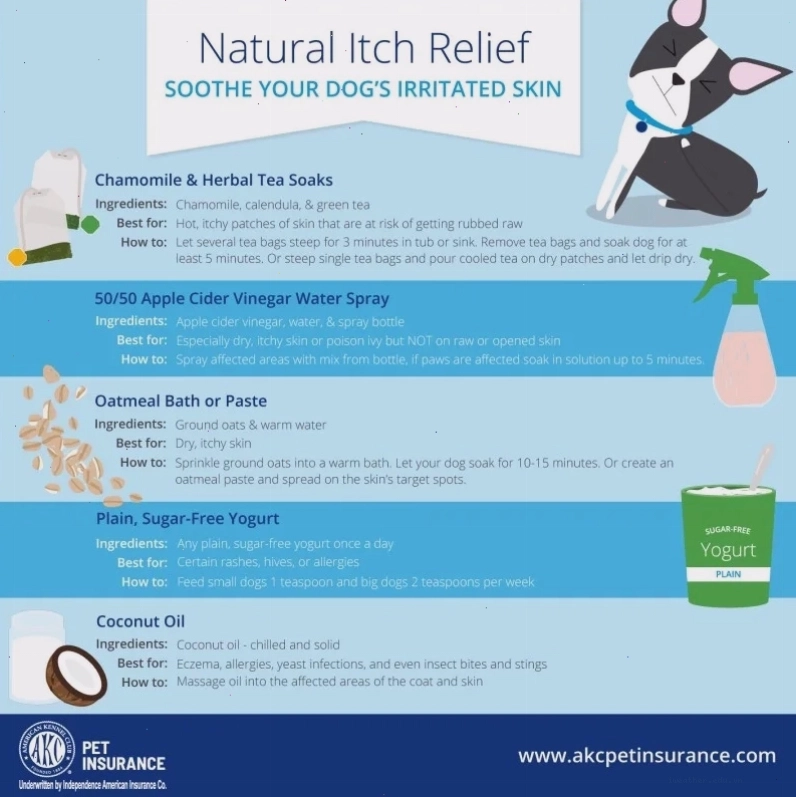
Colloidal oatmeal baths for dogs are considered the gold standard in natural pet care. Oatmeal contains avenanthramides and phenols which possess significant anti-inflammatory properties. To prepare this at home, grind plain, unflavored oatmeal into a fine powder and dissolve it in lukewarm water. Let your dog soak for 15 minutes, ensuring the mixture reaches the itchy belly and paws. This process helps create a protective film on the skin while reducing redness almost instantly.
Applying coconut oil for pet skin hydration
Organic coconut oil for pet skin serves as an excellent moisturizer and natural antibacterial agent. It is particularly effective for dry elbows, cracked paw pads, and itchy neck patches. The medium-chain fatty acids in coconut oil help repair the skin barrier and prevent further moisture loss. Simply massage a small amount into the affected area once or twice a day. Ensure your dog does not ingest large quantities, as this can lead to digestive upset.
Holistic comparison of topical skin remedies
When choosing a remedy, it is helpful to compare the benefits and application methods of common household items. The following table provides a quick reference for pet parents seeking the best natural options.
| Remedy Type | Primary Benefit | Best For | Frequency |
|---|---|---|---|
| Colloidal Oatmeal | Anti-inflammatory | Widespread itching and rashes | Weekly or as needed |
| Coconut Oil | Moisturizing and Antibacterial | Dry, flaky patches and hot spots | Daily topical application |
| Apple Cider Vinegar | Antifungal and pH Balancing | Yeast overgrowth on paws | Spray as needed (avoid wounds) |
| Aloe Vera Gel | Cooling and Soothing | Acute red patches and burns | 2-3 times daily |
Managing multispecies households and domestic cats
In many homes, domestic cats live alongside dogs, and their health needs often overlap. While you treat your dog, it is important to maintain overall cat health and hygiene. Many environmental allergens that affect canines also trigger issues in felines. Proper cat care includes regular grooming to remove dander and monitoring for tick-borne diseases, which can affect both species in wooded areas.
A specific concern for those with both pets is the spread of parasites. If you notice your feline friend scratching their head, you may need to treat cat ear mites immediately. These mites are highly contagious and can lead to cat ear infections if left unchecked. In some cases, a veterinarian might prescribe ear mite medication or Tresaderm for cats to manage the condition. Maintaining high standards for feline health ensures that both your cats and dogs remain comfortable and free from cross-contamination of skin and ear irritants.

Advanced nutrition and internal support for skin health
External remedies provide temporary relief, but internal health dictates long-term skin resilience. Adding Omega-3 fatty acids to your dog's diet is one of the most effective ways to support the skin barrier from within. These healthy fats reduce systemic inflammation and improve coat shine. Furthermore, ingredients like chamomile or green tea can be used as a final rinse after a bath to provide a cooling effect on facial irritation and mild rashes.
Always ensure that any product used, such as aloe vera, is pure and free from alcohol or artificial additives. If the scratching persists or if you notice thickened skin and foul odors, consult a veterinarian. These signs may indicate a more serious infection that requires professional medical intervention alongside your natural home care routine.

Best practices for maintaining an itch free lifestyle
The secret to successful allergy management is consistency and prevention. Regularly cleaning your dog's paws after walks can remove environmental triggers before they cause a reaction. Using high-quality air filters indoors and vacuuming frequently also reduces the allergen load in your home. By combining these environmental controls with the natural remedies mentioned, you create a comprehensive wellness plan for your pet.
If you are a pet parent in Hopewell Junction, NY, staying aware of local seasonal shifts will help you stay ahead of the allergy curve. Remember that every dog is unique; what works for one may not work for another. Be patient, observe your pet's reactions closely, and prioritize their comfort above all else. With the right natural approach, your dog can return to a happy, scratch-free life in no time.